What Lawn Care Actually Costs in Memphis
Roper Lawn Care • September 2026 • Memphis, TN • 7 min read
Short Answer: Around Memphis, routine mowing on a typical residential lot generally runs $40 to $70 per visit, weekly through the growing season. A fertilization and weed control program of six to eight applications commonly runs $400 to $800 for the year on that same lot. Together, most households on full service land between $1,400 and $2,600 annually. Measured turf area is the biggest driver, followed by how much trimming and edging the property needs and whether a mower can actually get through the gate. Mowing and treatment are separate services and should be quoted separately.
If you have collected two or three quotes and they do not line up, the usual explanation is not that someone is overcharging. It is that mowing and lawn treatment are different services priced on different logic, and companies bundle the seasonal extras differently.
Here is how the number gets built in this market so you can compare like with like.
Mowing Is Priced by the Visit
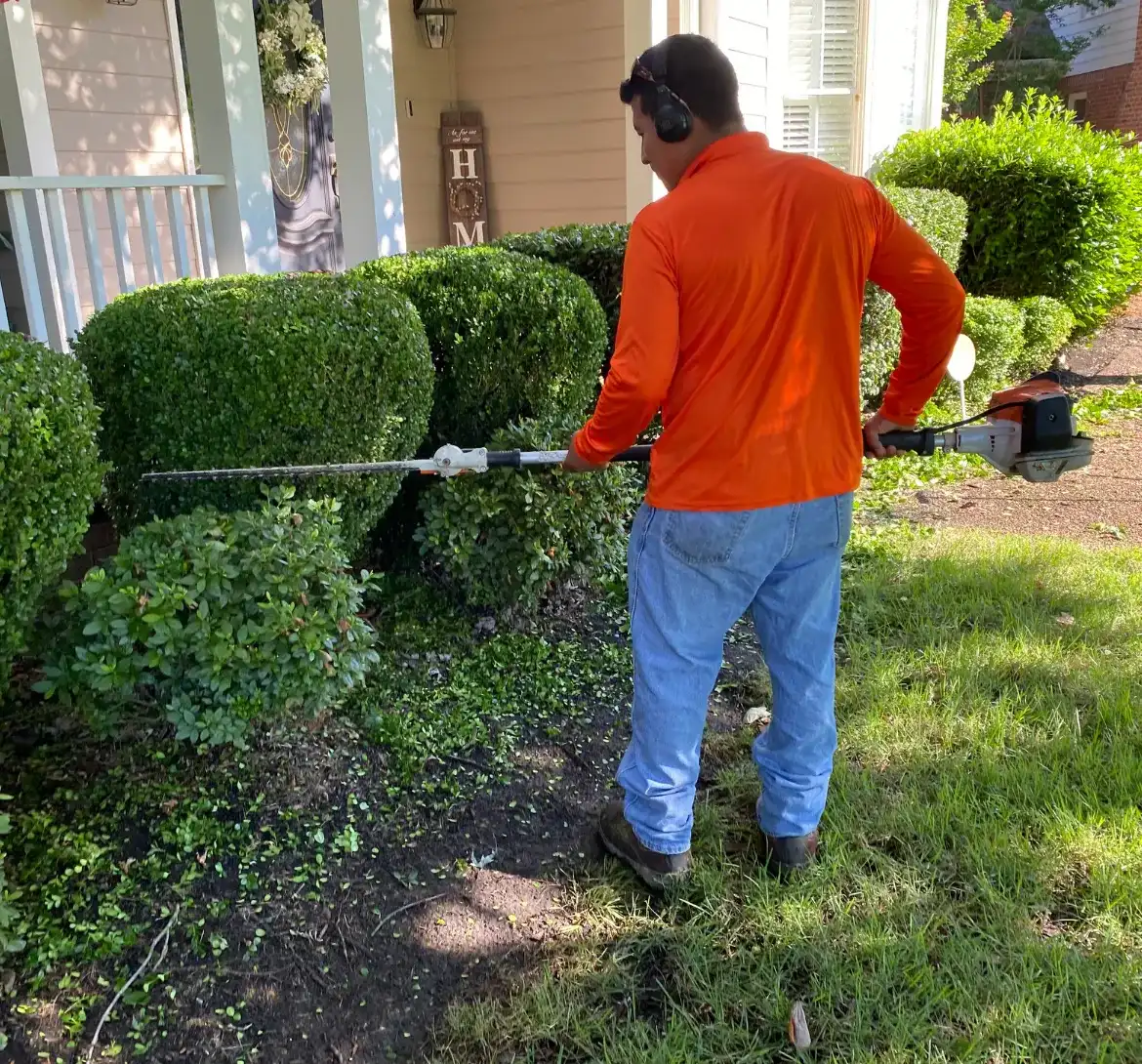
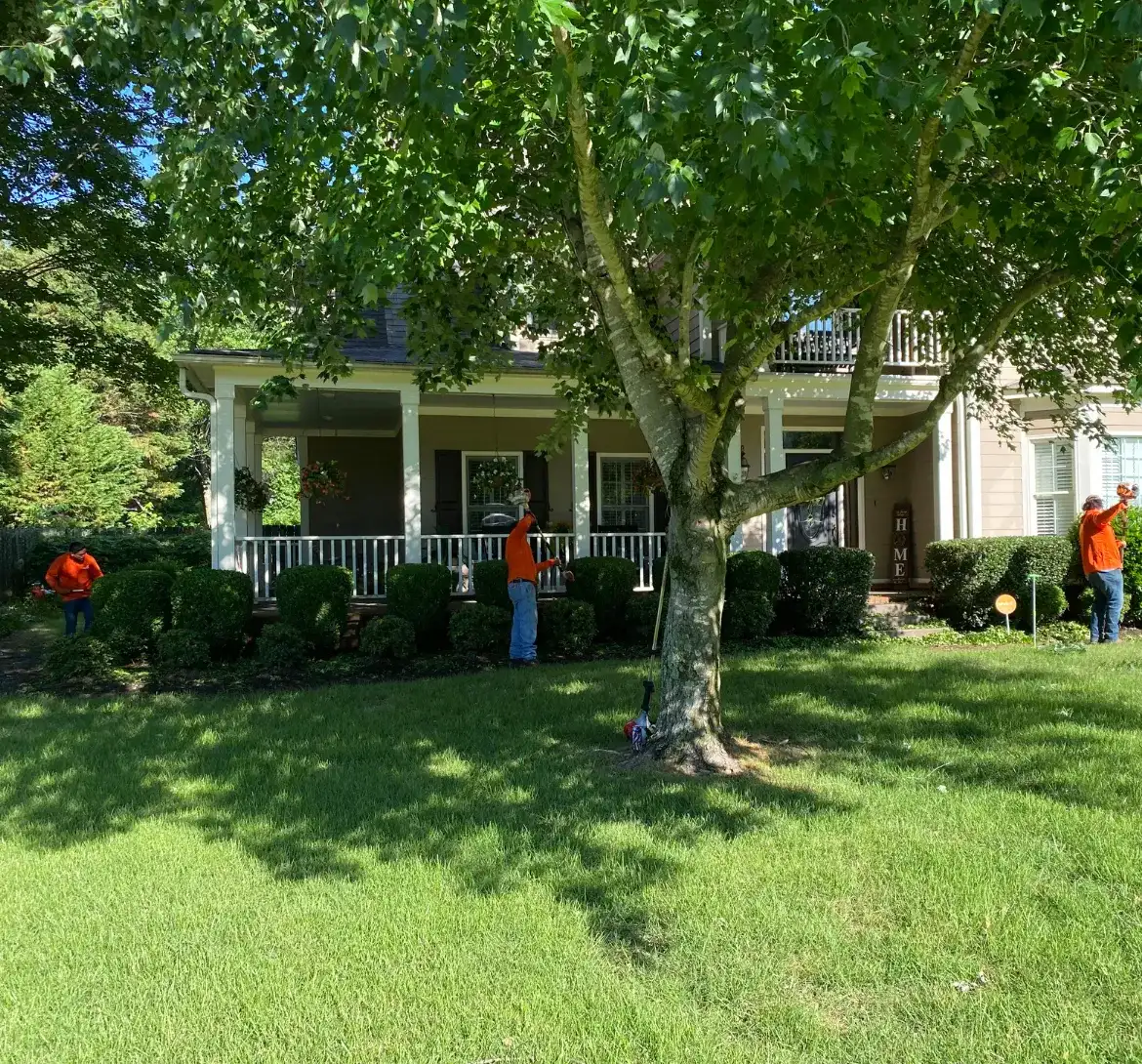
Routine maintenance on a typical Memphis area residential lot generally runs $40 to $70 per visit. That normally covers mowing, string trimming, edging walks and drives, and blowing off the hard surfaces.
Frequency matters as much as the per visit figure when you work out an annual cost. Through our long growing season, weekly service is standard from spring into early autumn. As growth slows, every other week becomes reasonable, and once Bermuda is fully dormant there is very little to cut.
Be careful comparing weekly against biweekly pricing. Biweekly looks cheaper annually and often produces a worse lawn, because you end up removing more than a third of the blade at each cut, which stresses the grass. That is why many companies will not offer biweekly during peak growth.
Larger properties out toward Collierville and the county run above the typical range simply because there is more to cut.
The Treatment Program Is Separate
Fertilization and weed control is a different service, priced on measured turf area rather than per visit.
A full year program on a typical lot generally runs $400 to $800 across six to eight applications. Our long warm season plus a genuine winter weed season means more applications than a northern market needs, which is why comparing a Memphis program to a national average is misleading.
Add ons price separately. Grub control commonly adds $60 to $120 for the season. Disease control varies with pressure. Aeration is distinct work with its own equipment, generally $150 to $350 on a typical lot. Fire ant treatment is its own item and worth carrying on many properties here.
Some companies fold everything into one monthly figure and others itemize. Neither is wrong, but a bundled number always looks larger for identical work, so ask for line items.
What Actually Moves the Price
Square footage is the foundation, and it is measured turf rather than lot size. A half acre lot with a large house, a wide drive, a pool, and mature beds may have a third of the grass of a similar lot with an open yard. This is why a phone quote based on lot size tends to be wrong in one direction or the other.
After that it is edge work. An open rectangular yard cuts fast. A yard with many beds, mature trees, a play set, and tight corners takes considerably longer per square foot because the time goes into trimming and maneuvering rather than mowing.
Gate access is the one homeowners never think to mention and it changes the number regularly. If a standard mower will not fit through the gate, the crew uses a smaller machine or a push mower in the back, which can double the time. Measure your gate before requesting a quote.
Slope, drainage, dogs in the yard, and how much debris comes off surrounding trees all factor in too.
Condition Changes Year One
This is the factor most homeowners do not anticipate and the one we spend the most time explaining.
A lawn maintained consistently needs maintenance. A lawn neglected for several years, with heavy weed pressure, compacted soil, thin coverage, and no recent fertility, needs recovery first. Recovery costs more in year one, because there is more weed pressure to knock down and often additional applications or soil work.
The recovery premium is temporary, and that matters. Most properties move from recovery pricing to maintenance pricing across roughly two seasons, because the weed seed bank is depleting and the turf is thick enough to crowd out what germinates. Thick grass is the cheapest weed control there is, and everything in year one aims at getting you there.
What a Cheap Quote Usually Means
There is a floor below which the work cannot be done properly, and it is worth knowing what gets cut to get under it.
Usually it is time on site: no edging, no trimming around beds, no blowing off the driveway. Sometimes it is equipment maintenance, and a dull blade tears grass rather than cutting it, browning the tips and opening the plant to disease. On the treatment side it is often product rate, or fewer applications across the year.
It can also mean no insurance. Ask, and ask to see it. A crew running equipment on your property without liability coverage is a risk you are absorbing without being told about it.
None of that means the cheapest quote is wrong. It means you should know what you are buying.
Comparing Against Doing It Yourself
Worth working through honestly, because for some properties the answer genuinely is to do it yourself.
Comparing the price of a bag of fertilizer against an invoice makes do it yourself look obvious, and that comparison leaves out most of the real cost. A serious program means a broadcast spreader and a sprayer, correct calibration of both, products bought in quantities that make sense, safe storage, and the time to apply everything in the right window rather than the weekend you happen to be free.
It also means absorbing the cost of mistakes, and the common ones here are expensive. Fertilizer burn on Bermuda during a July heat spell. Pre-emergent laid over a fresh fescue seeding. A herbicide meant for one turf type applied to another. Products drifting into a neighbor's ornamentals.
Where it makes clear sense is a small, healthy, low pressure lawn owned by someone who enjoys the work and will keep to the timing. Where it tends to break down is larger properties, lawns already struggling, mixed turf types needing different treatments, and schedules that do not bend for soil temperature.
The most common thing new customers tell us is not that they could not do it. It is that they could not do it on time, consistently, for three years running.
Questions Worth Asking
Is mowing priced per visit or monthly, and how many visits does a monthly figure assume in peak season and in winter? Does the price include edging, trimming, and blowing off hard surfaces?
Is the treatment program priced on measured turf, and can you show me the measurement? How many applications, and what goes down in each? Are grub, disease, and fire ant control included or extra? Is aeration included?
What happens if a treatment does not take, and does a return visit between scheduled applications cost anything? Are you licensed and insured? And is the price quoted an introductory rate or the ongoing one?
Specific answers indicate somebody who looked at your property. Vague answers indicate a guess that gets revised later.
One more that saves friction later: ask how billing works. Per visit invoicing, monthly invoicing spread evenly across the year, and prepaid annual plans are all common, and they feel very different in January when a dormant Bermuda lawn is being billed at the same monthly rate as it was in June. That is usually a fair arrangement, since the annual cost is simply divided evenly, but it is worth understanding before the first winter invoice rather than after.
What to Do Next
Measure your gate, walk the yard and note roughly how much of it is actually grass, and decide whether you want mowing, the treatment program, or both. Those three pieces of information turn confusing quotes into comparable ones.
If you would like us to look at it, Roper Lawn Care serves Memphis, Germantown, Collierville, Bartlett, Cordova, and Shelby County. Call 901-290-8165 or visit roperlawncarememphis.com.
Here is what to expect. We will measure rather than estimate from the street, separate mowing from treatment so you can see both figures, and tell you honestly whether your lawn needs a recovery year or a maintenance year. If part of what you are asking for is not worth buying for your particular yard, we will say so.