
Why Is My Memphis Lawn Brown in Spots? 6 Most Common Causes
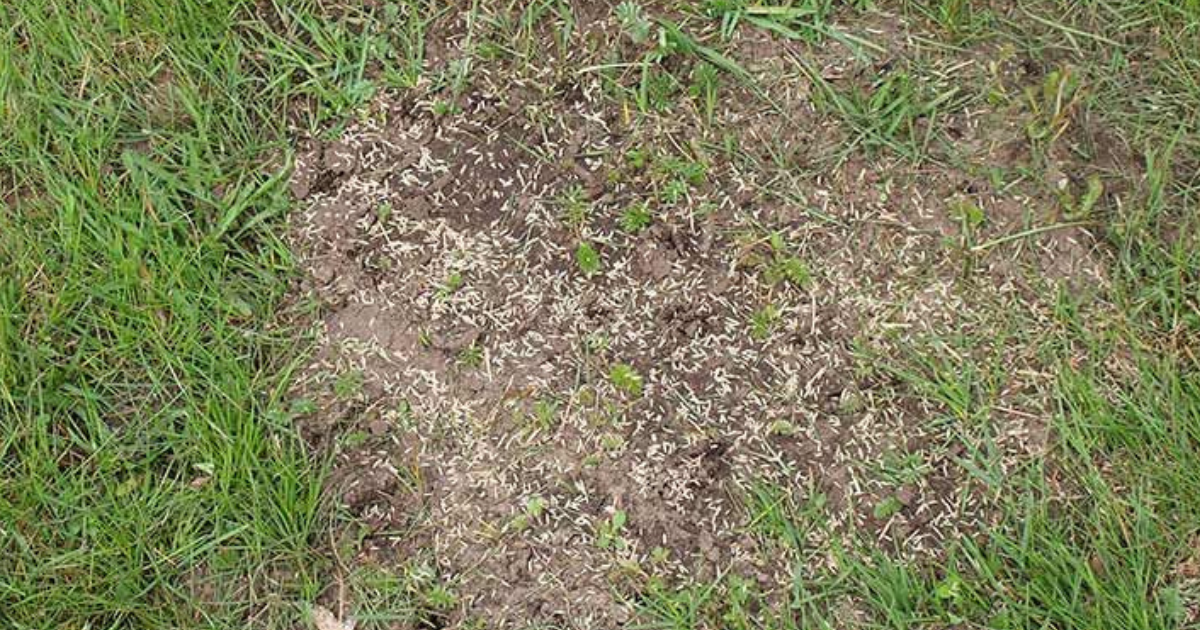
Short Answer: Brown spots in Memphis lawns trace back to one of six causes most of the time: irrigation coverage gaps, take-all root rot or other fungal disease, chinch bug damage, compaction from heavy clay soil, dog urine spots, or grub damage. Each shows up a little differently and the fix is completely different depending on which one you have. Watering more is rarely the right answer. Here is how to read what your lawn is telling you and figure out which cause is on your property.
If you walked your Memphis lawn this morning and noticed brown patches that were not there a few weeks ago, you are dealing with one of the most common spring and summer issues in our area. Brown spots are a single visual symptom that can come from a half-dozen different underlying causes, and the wrong treatment wastes money and lets the actual problem keep spreading.
Across Memphis, Bartlett, Collierville, and Germantown, here are the six causes we see most often.
1. Irrigation Coverage Gaps
This is the most common cause we see and the easiest to fix. Sprinkler systems develop coverage problems over time. Heads get bumped, mowed over, or blocked by mature plant growth. The lawn looks fine on every zone overall, but specific spots get less water than others.
The clue is location. Brown spots that fall in the same place every year, that align with the edges of irrigation zones, or that show up just out of reach of a particular head, are coverage problems. Run the system in the early morning while you walk it and look for the gaps.
The fix is usually a head adjustment, a nozzle swap, or in some cases adding a head. Inexpensive, fast, and stops the brown patches from recurring.
2. Take-All Root Rot or Other Fungal Disease
Take-all root rot is one of the most common diseases on Memphis Bermuda lawns. The grass yellows first, then thins, then browns out in irregular patches that gradually expand. The blades pull up easily because the root system is being destroyed.
Brown patch is another common fungal disease, showing up as circular brown areas with a smoky gray ring at the active edge. It thrives in warm humid weather, which describes most of Memphis summer.
Both diseases require fungicide treatment. Watering more makes both worse.
3. Chinch Bug Damage
Chinch bugs are tiny insects that suck juice from grass blades and inject toxins that kill the grass. They favor the hottest, sunniest part of the lawn and damage spreads outward in irregular patches.
If you part the grass at the active edge of a brown patch and see tiny black-and-white bugs running along the soil surface, that confirms chinch bug. Watering will not fix it. A targeted insecticide application will.
4. Compaction From Heavy Clay Soil
Memphis area soils have significant clay content, which compacts under foot traffic, mower wheels, parked vehicles, and natural settling. Compacted clay does not hold water or oxygen well, and roots cannot penetrate. Brown patches over compacted areas show up in predictable spots: along walkways, where you park, under play equipment.
The grass looks thin and washed out, and the soil feels hard when you push a screwdriver into it. The fix is core aeration, which physically opens the soil so water, air, and roots can move again.
5. Dog Urine Spots
If you have a dog and brown spots in your lawn that are 6 to 18 inches across, scattered randomly, with a slightly greener ring around them, that is almost certainly pet urine. Dog urine has high nitrogen and salt content that burns the grass it lands on while feeding the grass at the edge.
The fix is mostly behavior change (designating a potty area, watering down spots immediately) plus reseeding the dead spots. Products that “neutralize” pet urine in the soil have mixed track records.
6. Grub Damage
Grubs are beetle larvae that feed on grass roots from below the soil. The damage produces brown patches that do not respond to watering, often with the grass lifting up like a loose carpet because the roots are gone. Animal digging from skunks, raccoons, or birds going after the grubs is a near-certain confirmation.
Treatment is timing-sensitive: late July through August is the best window for our area, when newly hatched grubs are small and feeding actively just below the surface.
How We Diagnose Yours
The shape, location, and behavior of the patches tells us which cause we are dealing with most of the time. Coverage problems show up in predictable irrigation patterns. Take-all is irregular and expanding with grass that pulls up easily. Brown patch is circular with a ring. Chinch bug is hot-spot focused with visible bugs at the edge. Compaction is in high-traffic areas. Pet urine is small, scattered, and ringed. Grubs produce spongy turf and animal digging.
When we walk a lawn, we look at all of these clues simultaneously. Sometimes the answer is one cause. Sometimes it is two or three at once.
What Watering More Will Not Fix
Take-all root rot, brown patch fungus, chinch bug damage, soil compaction, dog urine spots, and grub damage all get worse or unchanged with more water. Drought stress is the only common cause where more water actually helps, and even then proper watering technique (deep and infrequent in early morning) matters more than total volume.
If you have been watering more without seeing improvement, the cause is something else.
Recovery Timing
Once you have the right treatment, recovery times vary:
Coverage problems: visible improvement within 2 to 3 weeks after the watering issue is fixed.
Brown patch fungus: spreading stops within 7 to 10 days of fungicide. Recovery of dead grass takes 4 to 6 weeks.
Take-all root rot: requires more aggressive treatment and longer recovery (months).
Chinch bug damage: recovery within 4 to 6 weeks after pest is controlled.
Compaction: visible improvement 4 to 6 weeks after aeration.
Pet urine: requires reseeding and 4 to 8 weeks for full recovery.
Grub damage: requires reseeding, 6 to 12 weeks for full recovery depending on treatment timing.
What to Do Next
If you have brown patches in your Memphis area lawn and you are not sure what is causing them, we are glad to come walk it with you. We will diagnose what is actually happening and put together a treatment plan that addresses the real cause. Reach out anytime.