
How Memphis Clay Soil Affects Your Lawn (And What to Do About It)
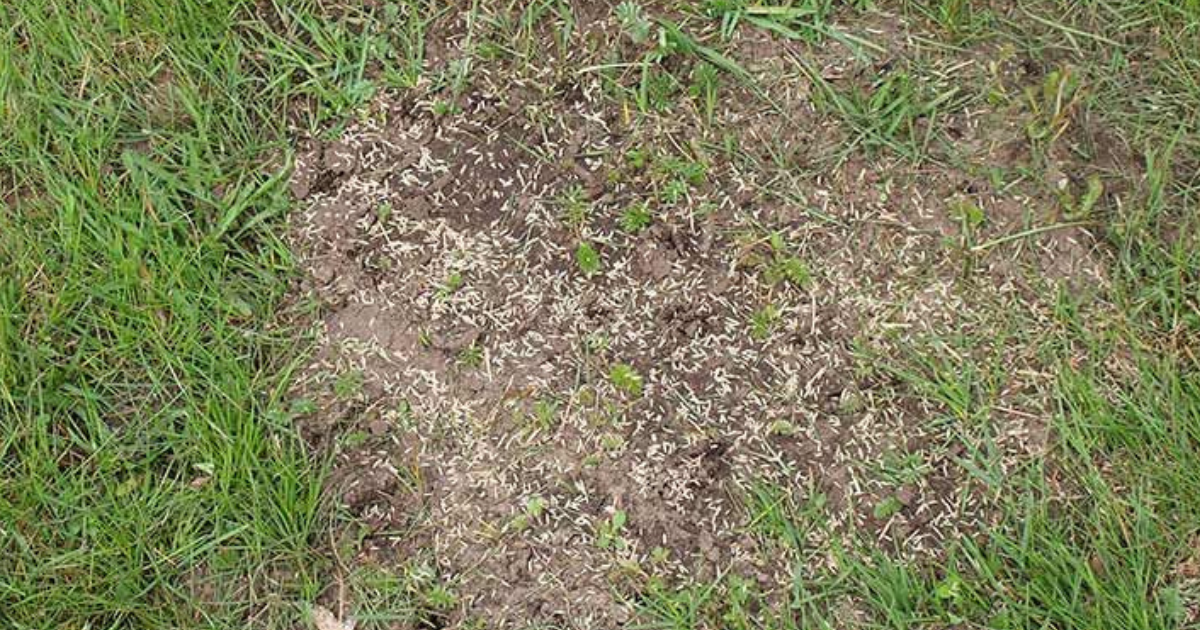
Short Answer: The heavy clay soil found across much of the Memphis area creates three major challenges for lawns: compaction that restricts root growth, poor drainage that leads to standing water and fungal diseases, and nutrient lockup that prevents grass from accessing what it needs. The good news is that all three can be managed with the right approach. Core aeration, organic matter amendment, proper watering techniques, and soil testing are the most effective tools for turning clay soil from a liability into a workable growing medium. Here is what Memphis homeowners need to know.
If you have ever tried to dig a hole in your Memphis yard and felt like you hit concrete about six inches down, you have met our clay soil. It is one of the most common frustrations for homeowners across the Mid-South, and it affects everything from how your grass grows to how water moves through your property.
The good news is that clay soil is not a death sentence for your lawn. Thousands of Memphis properties have beautiful, healthy grass growing in clay. The difference is understanding what clay does to your lawn and adjusting your care program to work with it instead of against it.
Why Clay Soil Is So Challenging
Clay soil is made up of extremely fine particles that pack tightly together, especially when they get wet and then dry out. This creates a dense, hard layer that makes it difficult for grass roots to penetrate, for water to drain, and for air to reach the root zone. In Memphis, foot traffic, lawn equipment, and even heavy rain further compact the soil over time.
Imagine trying to grow a plant in a pot with no drainage holes. That is essentially what compacted clay does to your lawn on a larger scale. The roots cannot grow deep because the soil is too hard. Water pools on the surface instead of soaking in. And when it finally does dry out, the clay shrinks and cracks, which can damage roots and create uneven surfaces.
The result is a lawn that looks stressed even when you are doing everything else right. Thin grass, bare patches, standing water after rain, and persistent weed problems are all common symptoms of untreated clay soil in Memphis.
Compaction: The Root of the Problem
Soil compaction is the single biggest issue clay creates for Memphis lawns. When clay particles are compressed, the tiny spaces between them that normally hold air and water disappear. Grass roots need those spaces to grow and to access oxygen, water, and nutrients.
A compacted lawn shows some telltale signs. Water pools on the surface after rain instead of soaking in. The grass feels thin and weak even with regular fertilization. Weeds like dandelions and clover, which are more tolerant of compacted conditions, start taking over. And in summer, the grass wilts quickly during dry stretches because the roots are too shallow to reach deeper moisture.
Core aeration is the most effective treatment for compaction. The process removes small plugs of soil from the lawn, creating channels that allow air, water, and nutrients to reach the root zone. For Memphis lawns growing in heavy clay, annual aeration is not optional. It is essential. The best time to aerate Bermuda lawns is late spring through early summer when the grass is growing actively enough to recover quickly.
Drainage: Where Water Goes (or Does Not Go)
Poor drainage is the second major challenge with Memphis clay. Because clay particles are so fine and tightly packed, water moves through clay soil much more slowly than through sandy or loamy soil. After a heavy Memphis thunderstorm, you may notice water sitting on your lawn for hours or even days.
Standing water is more than an inconvenience. It suffocates grass roots, creates conditions for fungal diseases like brown patch and Pythium (both common in the humid Memphis climate), and can attract mosquitoes. Areas of your lawn that stay consistently wet often develop moss or algae instead of healthy grass.
Improving drainage in clay soil is a long-term process, but it starts with aeration and adding organic matter. Topdressing your lawn with a thin layer of compost after aeration allows organic material to work its way into the soil over time. This gradually improves soil structure by creating larger pore spaces that allow water to drain more effectively. It does not happen overnight, but the improvement is cumulative and lasting.
Nutrient Lockup: Feeding a Lawn That Cannot Eat
Here is something many Memphis homeowners do not realize: clay soil actually holds nutrients well. The problem is that those nutrients can become chemically bound to clay particles in a form that grass roots cannot access. This is called nutrient lockup, and it means you can apply fertilizer on schedule and still see a lawn that looks underfed.
The most common lockup issue in Memphis clay is with phosphorus and iron. A soil test will tell you exactly what is happening below the surface and whether your soil pH (which in Memphis often runs slightly acidic) is contributing to the problem. Adjusting pH with lime or sulfur, depending on your test results, can make existing nutrients available to the grass without adding more fertilizer.
We always recommend starting with a soil test before building a fertilization plan. It is a small investment that prevents you from spending money on products your lawn does not need while missing what it actually does.
Watering Clay Soil the Right Way
Watering clay soil requires a different approach than watering sandy or loamy soil. The key principle is slow and deep rather than fast and frequent. Clay absorbs water slowly, so if you run your sprinklers at full volume, most of the water runs off the surface before it ever reaches the root zone.
The most effective approach for Memphis clay is to water in shorter cycles with breaks in between. For example, instead of running your sprinklers for 30 minutes straight, run them for 10 minutes, let the water soak in for 30 minutes, then run them for another 10 minutes. This allows the clay to absorb water gradually without runoff.
Water deeply but less frequently. One inch per week applied in one or two sessions trains roots to grow deep and builds a lawn that handles Memphis summer heat much better than one watered lightly every day.
What to Do Next
If your Memphis lawn is struggling and you suspect the soil is part of the problem, you are probably right. The heavy clay across our area affects the majority of properties we work on, and the right approach makes a real difference in results.
At Roper Lawn Care, we understand Memphis soil because we work in it every day. We provide aeration, fertilization and weed control, overseeding, and complete lawn care programs designed for the specific conditions of the Mid-South. Call us at (901) 290-8165 or visit roperlawncarememphis.com to get a quote. Our satisfaction guarantee means you will be happy with our work or we will make it right, and if we cannot do that, we will return double the cost of your service.