
Aerating Bermuda in Memphis: Why Late June Is the Sweet Spot
Short Answer: Late June through early July is the best window for aerating Bermuda lawns in the Memphis area. The grass is in peak active growth, recovery from the aeration disturbance is fast, and the open soil channels improve water and oxygen penetration through the hottest months of summer. Aerating earlier in spring or later in fall is workable but less effective. Aerating in peak July or August heat can stress an already-stressed lawn. The late June window threads the needle between recovery capacity and benefit during heat.
If you have a Bermuda lawn in Memphis, Germantown, Collierville, Bartlett, or Cordova and you have been thinking about aeration, June is the right month to plan it. We want to walk through exactly why late June is the sweet spot, what aeration actually does, and what to expect.
What Aeration Actually Does
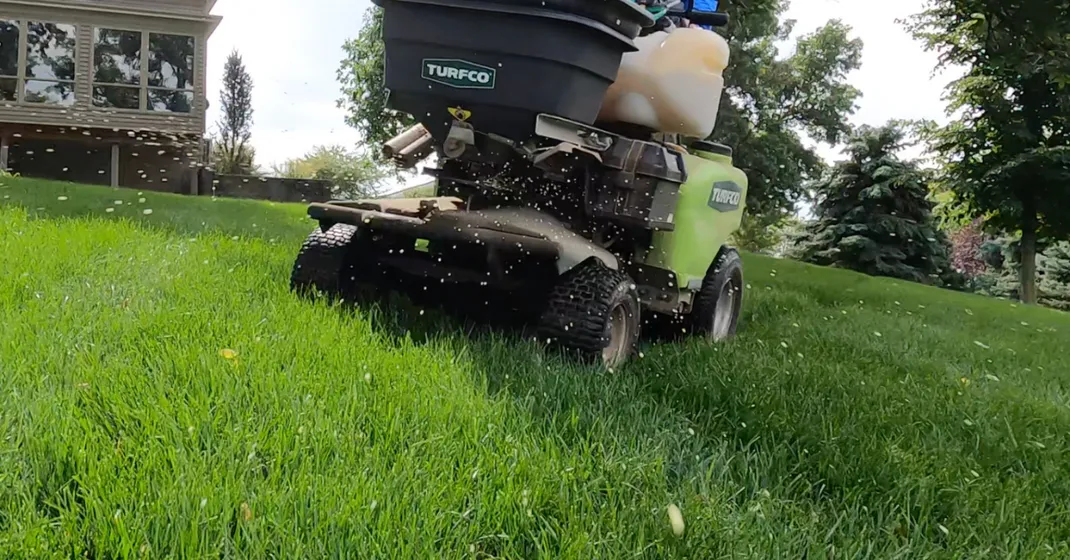
Core aeration uses a machine to pull plugs of soil and turf out of the ground at intervals of 3 to 6 inches. The plugs are typically 2 to 3 inches deep. Plugs are left on the lawn surface to break down naturally over 7 to 14 days.
The holes that remain do three things. They relieve compaction by creating air space in the soil. They create channels for water and oxygen to reach the root zone. They open up the thatch layer for biological breakdown.
For Memphis-area lawns on clay-heavy soils common across the region, aeration is one of the highest-leverage maintenance practices available. Compacted clay limits how deep roots can grow and how well water penetrates. Aeration directly addresses both problems.
Why Late June Is the Sweet Spot for Bermuda
Bermuda is a warm-season grass in peak active growth from May through August in our climate. Late June timing produces several specific benefits.
Maximum recovery rate. Bermuda’s aggressive lateral spread through runners means holes close fast. Within 2 to 3 weeks the aeration disturbance is barely visible.
Maximum benefit timing. The open soil channels improve water and oxygen penetration just before the hottest, driest part of summer. The lawn enters July and August with better root development and drought tolerance.
Lower stress conditions. Late June typically has not yet hit peak heat. The aeration disturbance does not compound with extreme temperatures.
Better thatch breakdown. Increased soil microbial activity in summer accelerates thatch decomposition through the open channels.
Why Earlier or Later Timing Is Less Ideal
Early spring (March to early May): Bermuda is still transitioning out of dormancy. Recovery from disturbance is slower because the grass is not yet at peak growth.
Late spring (mid to late May): viable but the benefit timing is suboptimal. The lawn does not capture as many weeks of improved water and oxygen access during peak summer.
July: workable in moderate years but can compound stress in hot dry conditions. The lawn is fully stressed by mid July and additional disturbance is risky.
August: generally not recommended unless absolutely necessary. Recovery is slow and the stress addition is poorly timed.
Fall (September): excellent for cool-season grass but suboptimal for Bermuda which is transitioning to dormancy.
For Bermuda specifically, late June produces the best combination of recovery capacity and benefit timing.
How to Tell If Your Lawn Needs Aeration
Not every lawn needs annual aeration. Several signs point to the benefit on your specific lawn.
The screwdriver test. Push a long screwdriver into the lawn after a normal watering. If it stops at 2 to 3 inches and you have to lean on it, your soil is compacted. Aerate.
Water runoff. If irrigation water runs off the surface rather than soaking in within a few minutes, the soil cannot accept the water it needs.
Thatch buildup. Push the grass aside and look at the layer between green blades and soil. More than half an inch of brown spongy material indicates thatch that needs management.
Thin areas in the same spots year after year. Compaction in those zones limits Bermuda’s ability to fill in.
Recent construction or heavy traffic. Soil compaction is essentially guaranteed.
If none of these apply, your lawn may not need aeration this year. Many established lawns benefit from aeration every 2 to 3 years rather than annually.
What Aeration Cannot Fix
To set realistic expectations, aeration does not fix these issues:
Shade problems. Bermuda needs sun. Aeration cannot compensate for inadequate light.
Soil pH problems. If your soil chemistry is off, a soil test plus targeted amendments addresses it. Aeration alone does not.
Disease or pest issues. Active brown patch, chinch bugs, or grub damage need their own treatment. Aeration does not cure these.
Bare areas that need overseeding or sodding. Aeration helps existing turf but does not establish new turf.
For lawns with multiple issues, aeration is one piece of a broader plan.
What to Expect From the Process
The aeration visit itself takes 30 to 60 minutes for a typical residential lot. The lawn looks worse for about a week. Plugs are visible on the surface, then break down. The grass canopy is opened up.
Over the next 2 to 3 weeks, plugs disintegrate, the canopy thickens, and the change becomes invisible from above. What you cannot see is the underground change. Roots are deeper, water penetrates better, and the lawn is more drought tolerant by mid July.
What to Do Before and After
Before. Water the lawn deeply the day before aeration. The slightly moist soil produces cleaner plug pulls. Mark any sprinkler heads, dog burial sites, or shallow utility lines so the equipment can avoid them.
After. Leave the plugs on the surface; they break down naturally and return nutrients. Water normally for the first week. Apply a light fertilizer if it has been more than 4 weeks since the last application. Avoid heavy mowing on the freshly aerated lawn for 7 to 10 days.
Cost Expectations
Aeration on a typical residential Memphis-area lot runs $100 to $300 depending on lot size and complexity. Combined with overseeding or topdressing, the cost increases but the additional benefits often justify the spend.
Annual aeration is dramatically less expensive than the consequences of compacted soil over multiple years (thin lawn, weed pressure, irrigation inefficiency).
What Aeration Combined With Other Services Looks Like
For lawns that benefit from comprehensive renovation, aeration paired with other services produces better outcomes than aeration alone. Compost topdressing applied immediately after aeration works the compost into the soil through the open channels. Overseeding through the aeration holes provides excellent seed-to-soil contact for new germination. Fertilization 7 to 10 days after aeration reaches the root zone through the open channels. For Bermuda specifically, aeration paired with a summer fertilizer application produces measurably better growth response than either alone.
Annual vs Bi-Annual Aeration Decision
The decision between annual aeration and longer intervals depends on specific lawn conditions. Annual aeration is right for lawns with heavy clay soil and obvious compaction issues, high-traffic areas (kids playing, dog runs, regular parking), new construction lawns in the first 3 to 5 years, and lawns where last year’s aeration produced clear improvement. Every 2 to 3 years is appropriate for established lawns with moderate compaction or for lawns where the screwdriver test shows reasonable penetration without aeration. Every 3 to 5 years works for sandy or loamy soils with naturally good drainage and structure.
Frequently Asked Questions
Can I aerate Zoysia in late June too?
Yes. Zoysia is also in peak growth and benefits from the same timing window as Bermuda.
What about fescue or other cool-season grass?
Fescue should be aerated in fall (September to October), not June. Summer aeration on stressed cool-season grass is harmful.
How often should I aerate?
Heavily compacted or high-traffic lawns: annually. Average residential lawns: every 2 to 3 years. Low-compaction sandy soil lawns: every 2 to 3 years.
Can I just rent a machine and DIY?
Yes. Aerator rental from home improvement stores runs $80 to $120 per day. The job is physical but not technically difficult. Professional service costs more but produces consistent results.
What Late June Aeration Combined With Summer Fertilizer Looks Like
The combination of late June aeration plus a summer fertilizer application 7 to 10 days later produces some of the best Bermuda lawn results we see. The aeration opens the soil for water and oxygen. The fertilizer reaches the root zone through the open channels. Together they support the deeper root development that carries the lawn through July and August. For lawns that have not been aerated in 2+ years, this combination is the single highest-leverage maintenance investment of the year.
What to Do Next
If your Bermuda lawn shows compaction symptoms, schedule late June aeration this week. We can typically be on the schedule within 7 to 14 days during the active window.
Call us at 901-290-8165 or visit roperlawncarememphis.com. We serve Memphis, Germantown, Collierville, Bartlett, Cordova, and surrounding Shelby County communities.