
Pre-Fall Renovation Planning for Memphis Lawns: Why July Decisions Decide September Results
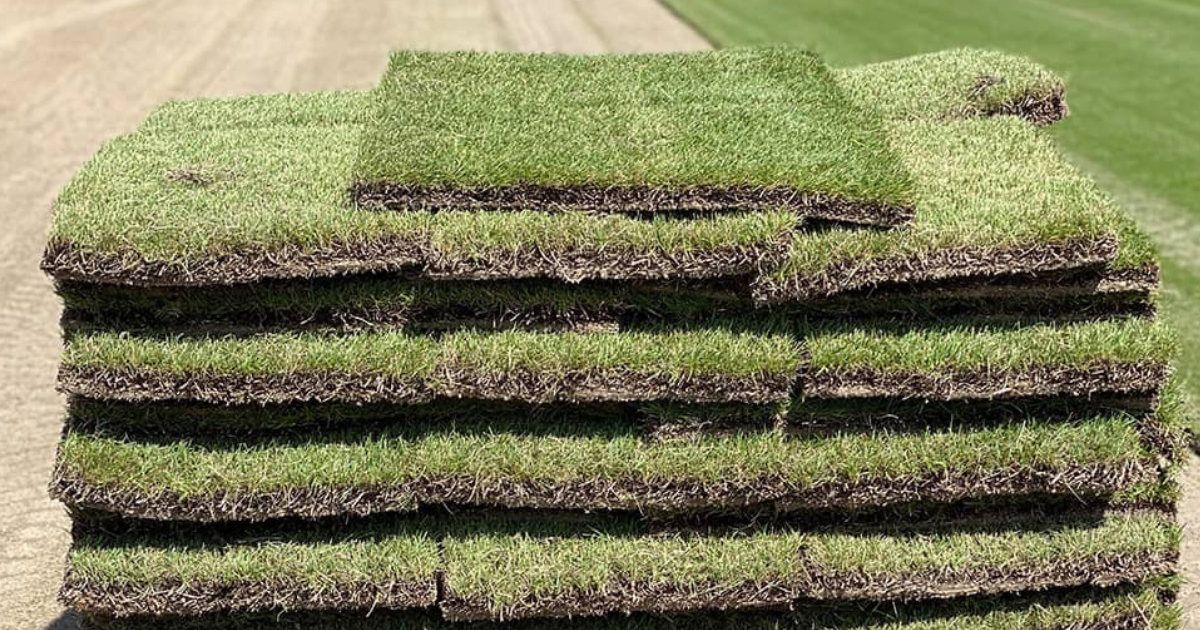
Short Answer: Fall renovation work on Memphis area Bermuda and Zoysia lawns starts with a July audit, not a September phone call. The lawns that look transformed by Halloween are the ones whose owners decided in July what work needed to happen, booked the crew, and used the August window for prep. The audit covers compaction depth, thatch thickness, soil pH and nutrient profile, weed pressure inventory, irrigation coverage map, sun and shade pattern, and a candid read on whether the lawn needs aeration alone or aeration paired with topdressing and sprigging. Most lawns benefit from aeration. Some lawns benefit dramatically from aeration plus topdressing. A smaller subset of severely declined lawns are better candidates for partial renovation, where you sprig or sod the worst zones and aerate the rest.
Every September we get the same call. The homeowner has decided their lawn needs renovation work this fall. They want it done before the weather turns. They are calling because we are now four to six weeks out on aeration scheduling and the late fall window is closing fast on warm-season grasses. We can help in many of those cases, but the work would have been cheaper, the schedule would have been easier, and the result would have been better if the conversation had happened in July.
This is the planning month. Bermuda and Zoysia in our climate respond best to aeration and topdressing in late August through mid September, when soil temperatures are still warm enough for vigorous root activity but air temperatures are easing off. That window is short. The work needs to be scheduled now, with a clear audit-based plan, so the right crew shows up at the right time with the right equipment and the right materials. Walking through that audit and that plan is what this piece is about.
Why July Is the Audit Month
Three things are true in July that are not true in September. First, the lawn is fully stressed. Every weakness is visible. The compacted zones, the irrigation gaps, the thin spots, the disease prone areas, and the high traffic decline patterns are all expressed in the canopy. You can see exactly what is wrong because the lawn cannot hide it. In September the lawn has started recovering from the worst of summer and the problems are partially masked.
Second, the schedule is open. Most lawn care operators in Shelby County are heavy on routine summer service in July but not yet booked on fall renovation. Walking the property and writing the plan happens in days, not weeks. September scheduling, by contrast, is the busiest stretch of the year for renovation crews, and the calendar fills up fast.
Third, the prep window between the audit and the work is exactly right. Six to eight weeks gives time to correct watering schedules, address any pest or disease issue, finish summer fertility, and let the lawn be in the strongest possible position when the aeration crew shows up. Trying to do all of that in two weeks in September is much harder.
What Our July Audit Covers
The audit is roughly a 45 minute walk on a typical half acre Shelby County property. We are looking at seven specific things.
Compaction depth
We carry a soil probe and pull cores from at least eight locations around the property. We are checking how easily the probe goes in (resistance), the depth at which it stops, and the visible profile of the core (root depth, layering, color). Compaction shows up as a dense gray to brown band 2 to 4 inches down where roots stop and soil is heavily compressed. Memphis area clay soils compact severely under irrigation and foot traffic. Most residential lawns in our service area need annual core aeration to maintain root penetration past the compaction band.
Thatch thickness
Thatch is the layer of partially decomposed organic matter between the soil surface and the green canopy. A quarter inch is healthy. A half inch is acceptable. Anything thicker than three quarters of an inch on Bermuda or one inch on Zoysia is a problem because it prevents water and nutrients from reaching the soil, harbors fungal pathogens and chinch bugs, and produces shallow rooting because roots grow into the thatch rather than the soil. We measure thatch at multiple points by cutting a small wedge and looking at the layer thickness with a ruler.
Soil pH and basic nutrient profile
Memphis area soils run slightly acidic and often need lime amendments. The basic nutrient profile (phosphorus, potassium, micronutrients, organic matter percentage) tells us what fertility program will get the most value. We pull a 6 to 8 sample composite that goes to a regional lab if the homeowner wants the testing done. For lawns that have not had a soil test in 3 years or more, this is the single highest leverage piece of information we collect.
Weed pressure inventory
We walk the property and identify every weed species present along with rough population coverage by zone. Nutsedge, dallisgrass, doveweed, spurge, crabgrass, and Virginia buttonweed are common July finds in Memphis. The renovation plan needs to account for weed pressure because aerating and topdressing without addressing weeds first multiplies the weed problem in fall by opening seed contact with soil.
Irrigation coverage map
We run each zone for 90 seconds and walk the spray pattern. Every misaligned head, clogged nozzle, broken riser, and dead spot gets noted. Coverage gaps that have been hiding under May rains become obvious in July. Fixing the irrigation before fall renovation is often the biggest single quality of life improvement for the lawn going into next year.
Sun and shade pattern
We note where the property gets full sun, partial sun, and significant shade by time of day. Bermuda needs 6 plus hours of direct sun. Zoysia tolerates partial shade. Areas getting less than 4 hours of direct sun should not be considered for Bermuda renovation because the grass will not maintain density regardless of what is applied. This is the single most common cause of renovation work that disappoints the homeowner. They aerate and topdress a shade zone and the lawn there still thins out.
The honest candidate decision
At the end of the audit, we group the lawn into three buckets. Maintenance aeration candidate (lawn is reasonably healthy and the work is preventive). Aeration plus topdressing candidate (some decline, would benefit from soil improvement on top of aeration). Partial renovation candidate (significant zones have crown loss and would benefit from sprigging or sod patching paired with aeration on the rest). About 60 percent of the lawns we audit are bucket one. About 30 percent are bucket two. About 10 percent are bucket three.
What Each Renovation Path Actually Involves
Core aeration alone
A walk behind or stand on core aerator pulls plugs from the soil at roughly 3 inch spacing and 3 to 4 inch depth. The plugs are left on the surface to break down. Aeration relieves compaction, opens channels for water and air, and stimulates root growth. For most healthy Bermuda and Zoysia lawns in Shelby County, annual aeration in late August or early September is the single highest value renovation service. Pricing typically runs $150 to $325 for a residential half acre depending on access and obstacles.
Aeration plus topdressing
Topdressing applies a quarter to half inch layer of screened compost, sand, or a sand and compost blend across the lawn surface immediately after aeration. The topdressing falls into the aeration holes and across the canopy, where it gradually integrates into the upper soil profile. Benefits include improved soil structure, organic matter, better water retention in sandy areas or better drainage in heavy clay, and a noticeable improvement in turf density over the following year. Pricing for aeration plus topdressing on a typical half acre runs $700 to $1,800 depending on the material used and the depth applied.
Partial renovation
For lawns with significant crown loss in specific zones (typically from drought damage, chinch bugs, armyworms, or prolonged shade), the right move is often sprigging or sodding the worst zones while aerating the rest. Bermuda sprigs install fast and establish quickly through September if irrigation is correct. Zoysia is slower and more expensive. Sod patching is faster than sprigging but more expensive. A typical partial renovation on a half acre runs $1,200 to $4,500 depending on the area treated and material chosen.
What the July to September Calendar Looks Like
Here is the calendar we lay out with homeowners after a July audit. This is what makes the September results predictable.
July week 3 and 4
Audit complete. Plan written. Scope agreed. Aeration and any topdressing or sprigging scheduled. Soil test sent if needed. Irrigation repair scope booked if needed. Active pest or disease treatments applied if the audit found anything in play.
August week 1 and 2
Irrigation repairs complete. Mowing height locked in at the proper summer cut. Watering schedule confirmed at deep and infrequent. Any preventive fungicide or insecticide applied. Final summer fertility applied if appropriate.
August week 3 and 4
Lawn watered deeply 24 to 48 hours before aeration so the cores pull cleanly. Surface mowed at proper height. Property staged for the crew (irrigation flags placed over heads, pets and kids briefed, any obstacles removed).
Late August through mid September
Aeration performed. Topdressing applied within 24 hours if scoped. Sprigging or sod patches installed where scoped. Light starter fertilizer applied. Irrigation adjusted to maintain surface moisture for any new establishment for 14 to 21 days.
Mid September through end of October
Recovery. Aerated lawns show visible improvement within 2 to 4 weeks. Topdressed lawns smooth out within 4 to 6 weeks. Sprigged areas fill in over 6 to 10 weeks. Final fall fertility applied at the right window. Pre-emergent for winter weeds applied if the program includes it.
By Halloween, properly renovated lawns look noticeably better than they did in July. By the following May, the difference is dramatic. This sequence works when it is planned in July. It does not work as well when it is scrambled in September.
What Not to Do During the Planning Window
Do not skip the soil test if it has been 3 or more years since the last one. The cost is small and the information dictates fertility, lime application, and topdressing material selection.
Do not aerate in mid July. Some homeowners try to pull the aeration forward to beat the rush. Bermuda and Zoysia under peak heat stress recover poorly from aeration. Wait for the late August to mid September window. The crowns and roots respond much better when temperatures are easing.
Do not overseed Bermuda in fall. This is a common request from homeowners with cool season experience moving into Memphis. Bermuda is established by sprig or sod or by lateral spread from existing plants. Bermuda seed germinates poorly and is significantly more expensive than sprigs by coverage area. Save the seed budget for the right purpose.
Do not push nitrogen before aeration. The lawn does not need a growth push going into aeration. A light starter fertility applied right after aeration is the correct sequence.
Do not skip the irrigation audit. Aerating a lawn with coverage gaps locks in the gaps for another year. Fix the irrigation first, then aerate.
Who Is Not a Renovation Candidate (and What to Do Instead)
Some lawns are not good candidates for fall renovation in 2026. The honest read up front saves the homeowner money and disappointment.
Severely shaded lawns (less than 4 hours of direct sun) should consider shade tolerant ground covers, mulched landscape beds, or hardscape rather than continuing to renovate turf that will never hold density. Lawns with deep drainage issues need the drainage fixed first because aeration alone will not solve standing water. Lawns where the homeowner is moving in the next 12 months should be evaluated on a different cost benefit basis (cosmetic fixes matter more than long term improvement). Lawns that just had aeration last September probably do not need another aeration this fall unless compaction has returned (we can confirm with the probe test).
Saying no to renovation on a property that does not need it is part of the work. We will tell you if your lawn is in the maintenance bucket and aeration would not be a high value spend this year. The honest reads on small jobs build the relationships that justify the bigger jobs the year you actually need them.
What a Typical July Audit Costs
For Shelby County residential properties, a July renovation audit from us runs $75 to $150 and is credited against any fall renovation work we are hired to perform. The audit visit takes about 45 minutes. We provide a written plan within 3 to 5 business days including soil test interpretation if a test was pulled, the recommended scope, a cost range, and the recommended calendar. The plan is yours regardless of whether you hire us for the renovation work itself, and many homeowners use it as a sanity check while collecting other bids.
Frequently Asked Questions
When is the absolute latest I can plan fall renovation?
For aeration alone on Bermuda and Zoysia in the Memphis area, the practical latest is the first week of October. After that, soil temperatures cool fast and recovery slows. For sprigging or sodding, the practical latest is the first week of September because new establishment needs warm soil to root in before dormancy. Cooler season exceptions exist, but the calendar is real.
How often does my lawn actually need aeration?
For most Shelby County residential Bermuda and Zoysia lawns, annually. For lighter use lawns on sandy or well drained soil, every 18 to 24 months may be sufficient. The probe test in July tells us whether compaction is real on your property or whether you can defer a year.
Is topdressing worth the extra cost?
For most lawns with thin sandy zones or with thatch at the upper edge of acceptable, yes. For lawns with already good soil structure, the cost benefit drops. The audit tells us which group your lawn is in.
What if I just had aeration last fall?
We will probe and check. If the compaction has not returned, we can recommend skipping aeration this year and focusing on other items in the audit (overseed of weak spots, topdressing only, irrigation repair). The conservative move is sometimes the right one.
Can I do the renovation myself?
Some pieces, yes. The irrigation audit, the watering schedule, the mowing height, and the fertility timing are all things a motivated homeowner can handle. Core aeration on a residential property usually requires a rental machine ($100 to $180 for a day) plus the labor of running it. Topdressing requires material delivery and a way to spread it evenly, which is harder to DIY well. Sprigging and sodding are typically professional jobs because the timing and irrigation requirements are unforgiving.
What to Do Next
If you want a July audit and a written fall renovation plan for your Shelby County property, give us a call at 901-290-8165 or visit roperlawncarememphis.com. Booking the audit in July sets up the September work to happen on time, with the right scope, at the right cost.
We serve Memphis, Germantown, Collierville, Bartlett, Cordova, and surrounding Shelby County communities.